‼️🔒
To respect client confidentiality, some content/images in the case study are blurred. The focus is on describing the UX process, thinking, and impact.

Sector: Hospitality, tourism, charity & education
Client: YHA (England & Wales
My role: UX and UI designer (Led UX research and design iteration on the existing platform and shaping solutions through research)
Project Time: 3 months
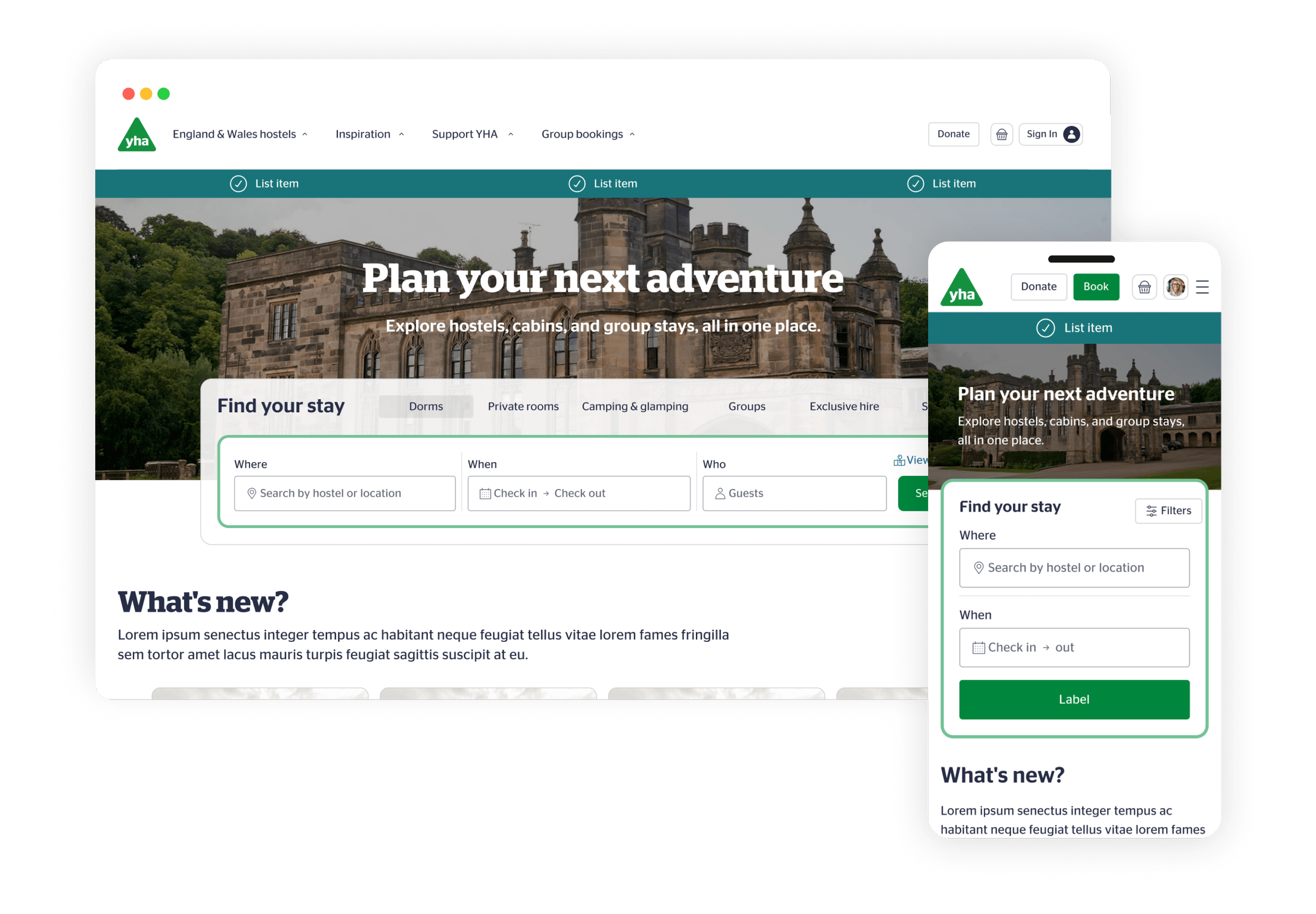
YHA (England & Wales) provides affordable stays and outdoor experiences across hostels, cabins, and camping sites, with a mission to make adventure accessible to everyone. The platform supports a wide range of visitors (from families and solo travellers to schools and groups) by offering booking tools, property information, and resources for planning trips. The case study focuses on enhancing the digital experience to ensure clarity, usability, and alignment with YHA’s mission of inclusivity and accessibility.
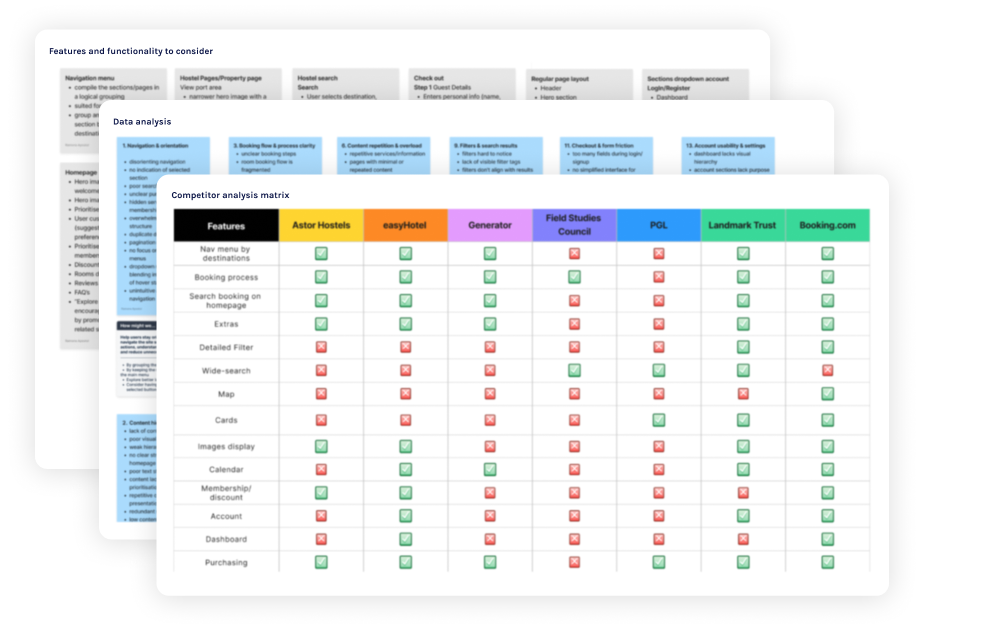
I led the research and design process by analysing the existing survey data provided by the client. Additionally, I conducted a UX audit of the platform, analysed competitors, ran workshops, and examined the findings to identify pain points.
Overview
This research helped upgrade user flows and personas based on the insights gained, allowing me to enhance the existing designs and enhance the user experience during the booking and navigation steps across specific sections on the platform.
As the sole researcher and designer, I had to ensure a close collaboration with stakeholders and thoroughly understand existing user surveys. This approach helped me identify the best outcomes to implement in the current designs, ensuring that we meet user needs and expectations.
1 Discover
The first stage involved defining the project’s scope and timelines. Planned workshops with key stakeholders, ensured their availability, and scheduled reviews at critical milestones to communicate expectations clearly. This collaborative approach fostered transparency and set the stage for the project’s success.
To have a good understanding of the user from all angles, I have used a variety of methods. A detailed audit of the YHA-specific platform sections aimed to identify usability and accessibility opportunities for enhancement. The competitor analysis provided a benchmark against best practices in travel and charity sectors, best UX practices revealing areas where growth could occur. Additionally, valuable insights were gathered from existing user surveys provided by the client. Together, these strategies formed a robust research foundation that clarified user needs and identified significant opportunities for innovation, guiding the design process toward impactful solutions. I also ran workshops with stakeholders on specific areas of the platform, which helped align perspectives and validate the user needs identified through the earlier research methods.
Research
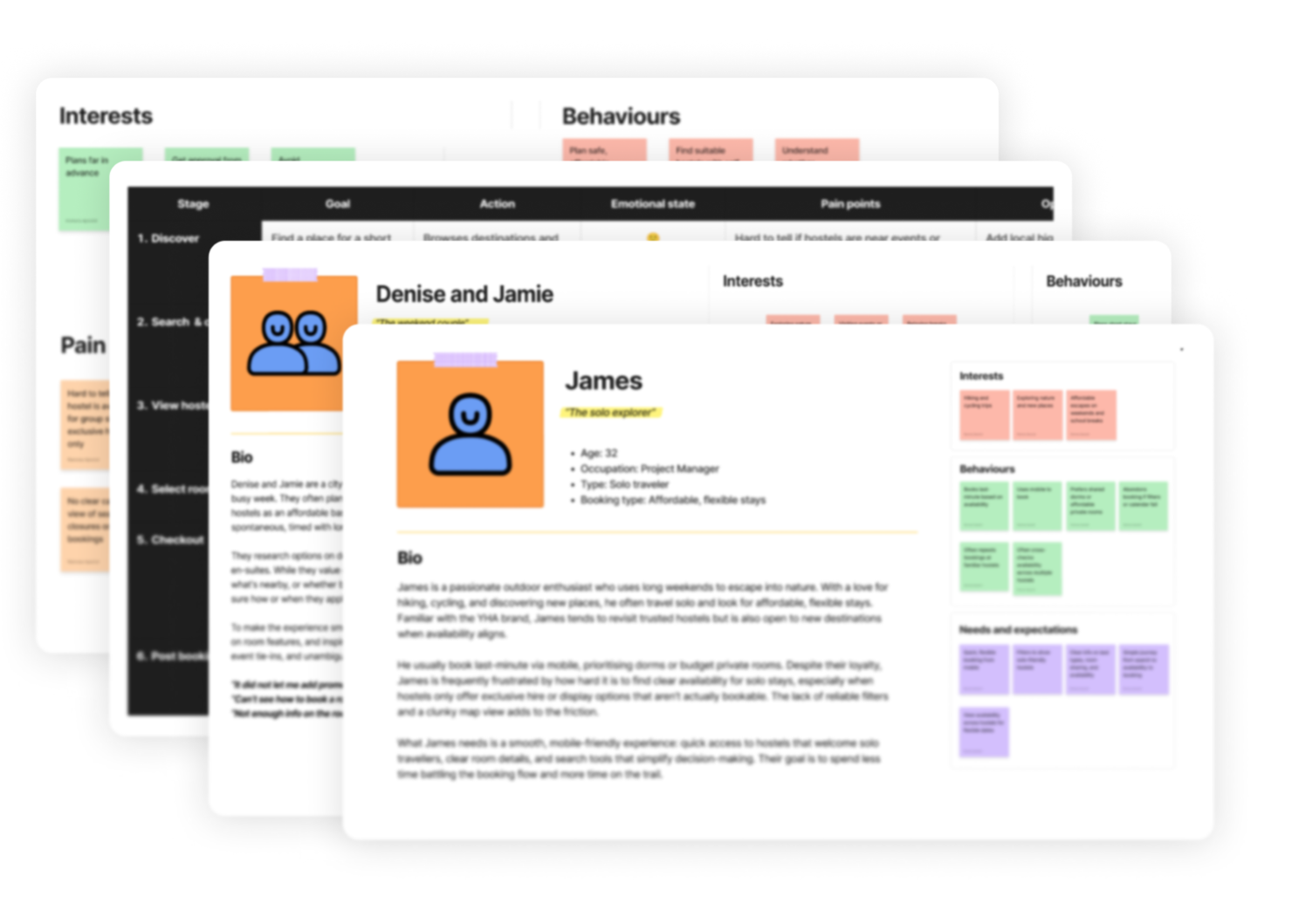
Personas helped clarify and align my understanding of diverse audiences and their needs. It provided a shared reference point for who I was designing for and why, ensuring decisions stay focused and relevant. Throughout the process, personas supported key design and functionality choices, helping maintain clarity and consistency as ideas evolved within project goals and constraints.
Creating personas
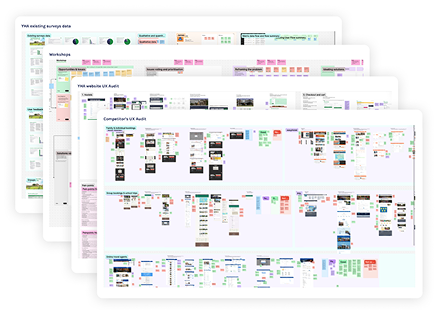
With the research complete, I synthesised findings from multiple methods to build a clear picture of the user journey. By combining data sources, I identified recurring patterns and opportunities while balancing different perspectives. This approach provided a well-rounded understanding of user needs and guided the development of relevant solutions.
Research analysis
2 Define
Compile the research findings and define the key opportunities to address.
After analysing multiple data sources, I identified patterns and opportunities from different perspectives. Combining these insights provided a more nuanced understanding of where users seek assistance and what they require. This process helped define and compile relevant solutions, establishing a foundation for focused design decisions and meaningful enhancements
Identify opportunities
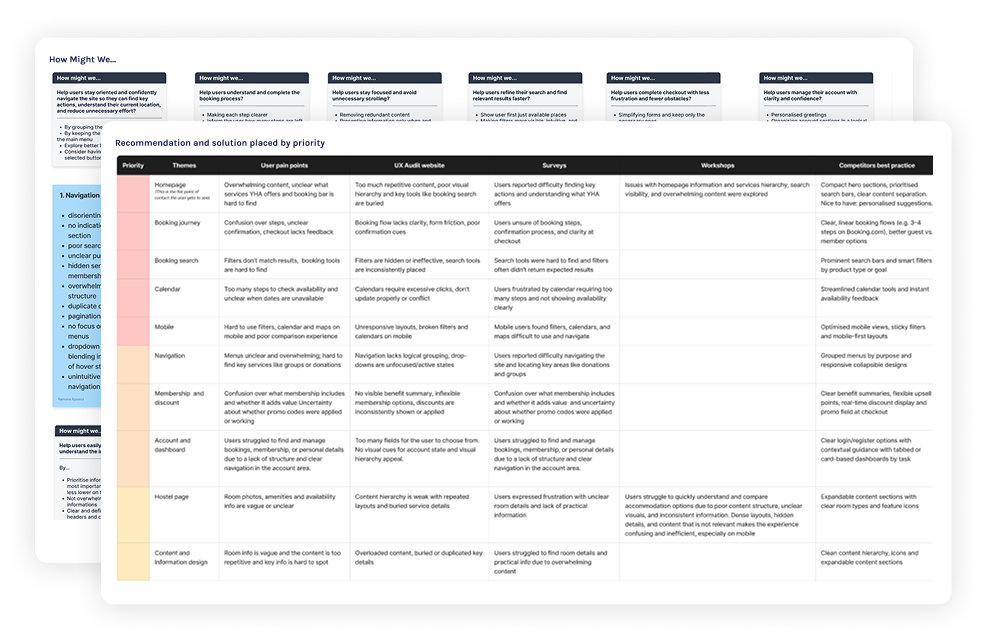
Keeping in mind the identified opportunities through data analysis, I start exploring all the scenarios, ensuring that nothing is overlooked. Flow diagrams show the user's journey, bringing clarity and insight to each feature revealed in the research stages.
Flow diagrams
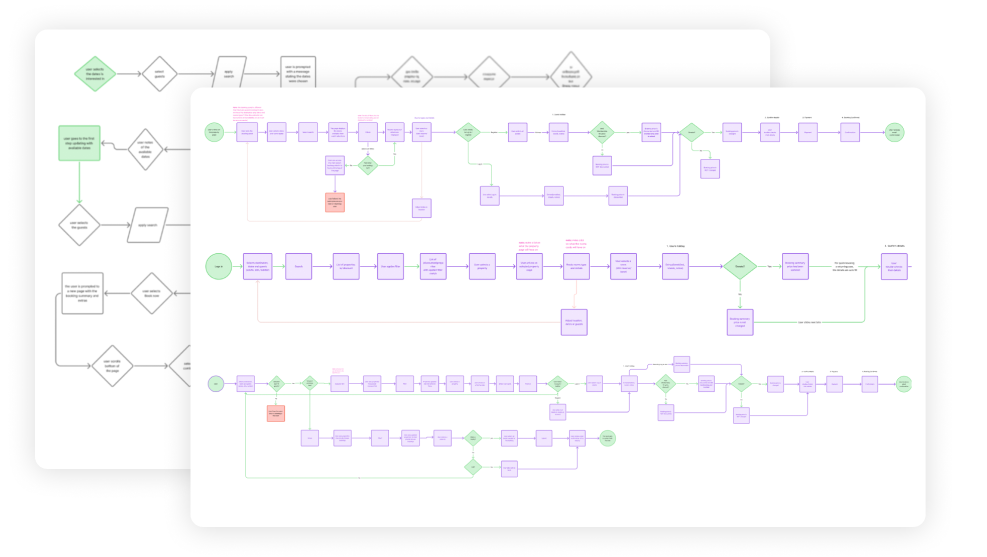
3 Explore
Understanding, ideating, sketching, wireframing and design
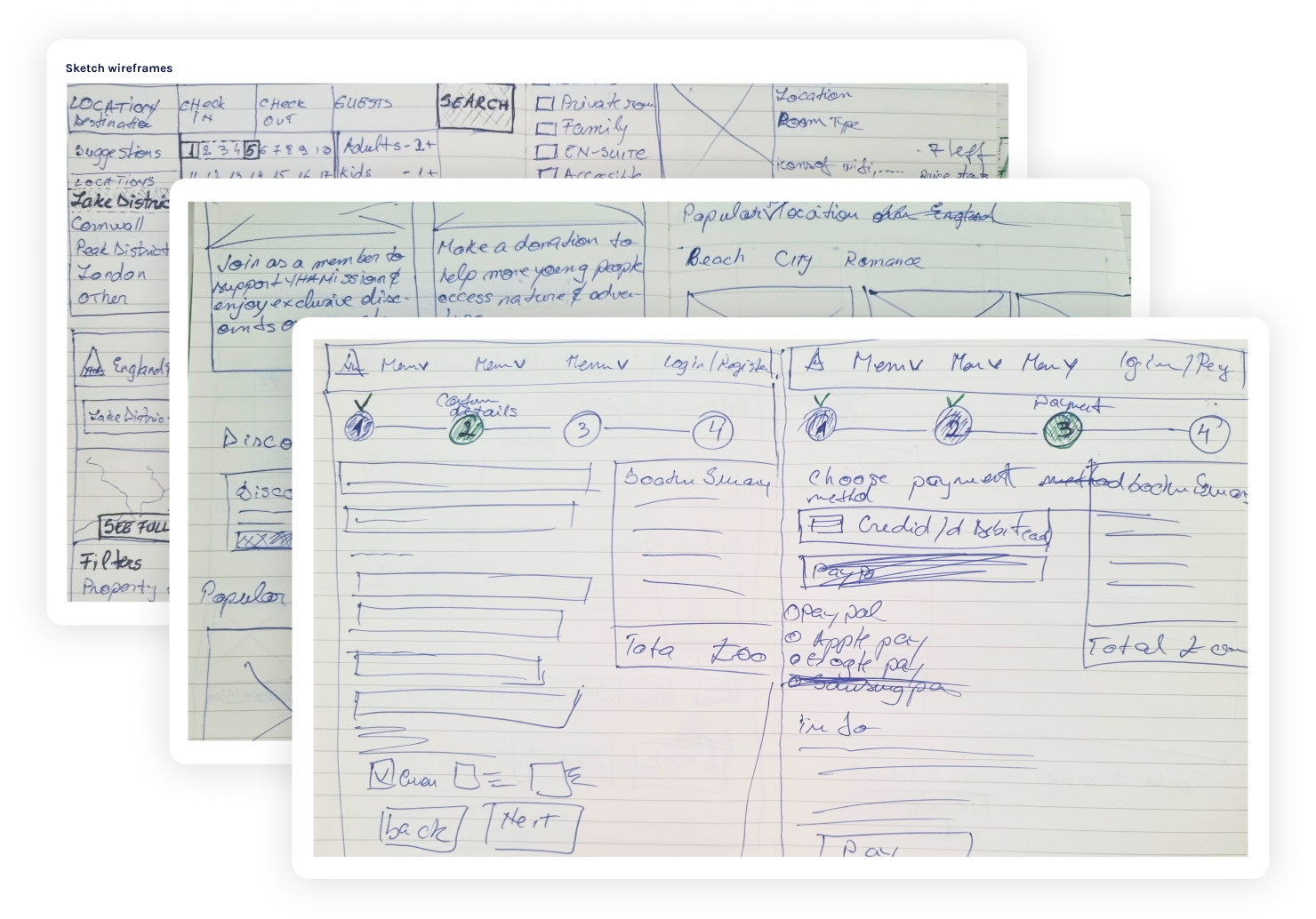
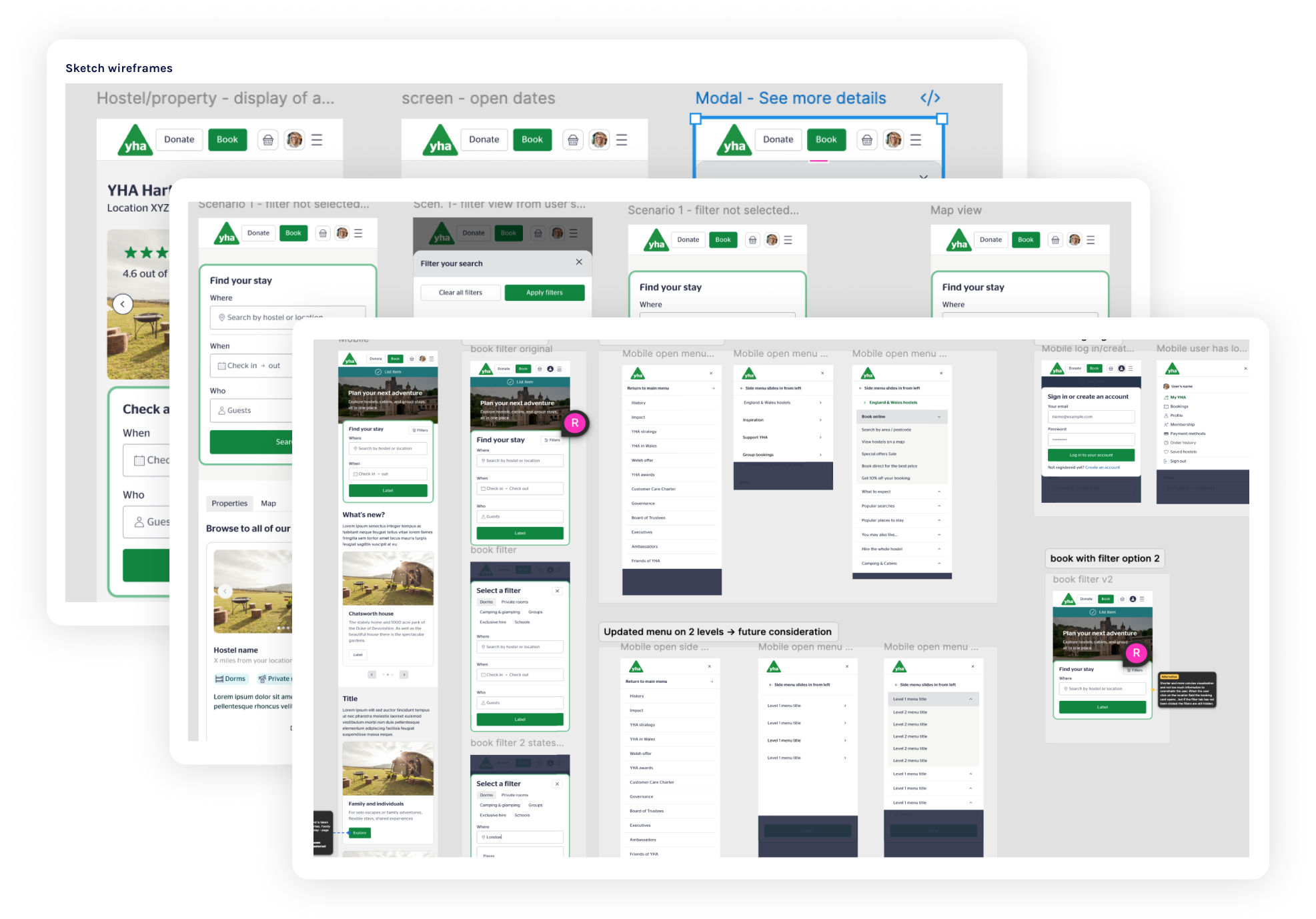
Sketching wireframe ideas is the first step in creating clear and effective solutions, helping to explore what works and what doesn’t. It’s an essential part of putting ideas into practice, a step that shouldn’t be skipped. Yes, the wireframe sketches are intentionally rough, allowing space to test concepts and uncover the best opportunities for the user.
Sketching and ideating
Once the wireframe was approved, the first step was to ensure that all existing library components were updated according to the changes found in research and applied in the wireframes. This step is crucial because ensure consistency, save time, and make the web page designs easier to build and maintain.
High fidelity wireframes
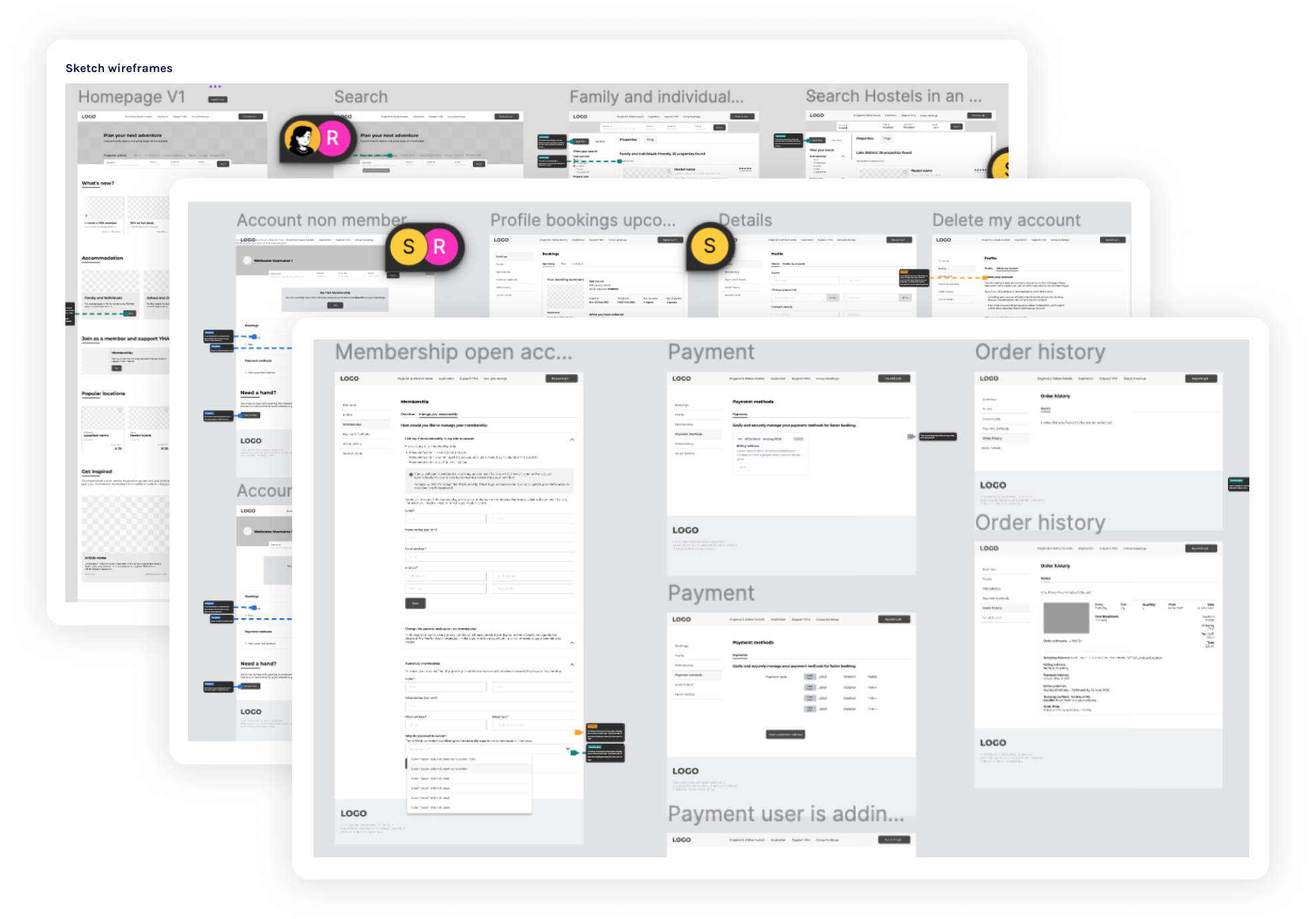
Creating high-visibility wireframes allowed me and the stakeholders to gain a realistic preview of the designs. These wireframes needed to cater to the diverse needs of various groups of travellers, including families, solo travellers, school trips, and groups. This approach enabled everyone to offer early feedback on complex designs, making it easier to visualise the user experience and make informed decisions before moving on to the component designs.
Component library and design pages
4 Testing
Validating, refining, and final adjustments
Given the limited time available, we were unable to create and test prototypes. However, we remained resourceful and continued testing directly on our designs. This approach helped us stay aligned with user needs and ensured that we addressed the main user pain points and business goals. The testing provided valuable feedback and identified minor improvements to refine the designs before final delivery.
Based on the identified usability findings and planned UX improvements, we expect an estimated 25 - 40% improvement in overall usability, user satisfaction, and booking conversion rates.
Testing and feedback
This project demonstrated how transferable UX skills are across industries. Although it was my first time working in the travel sector, the same principles are applied: understanding users, testing assumptions, and creating clarity through design. A full UX process was carried out for the YHA website, combining audits, surveys, competitor analysis, and workshops to understand user needs from every angle. These insights informed wireframes, component updates, and design refinements, ensuring usability, accessibility, and consistency.
Despite time limits, testing was integrated directly into the designs, providing valuable feedback and improvements. Overall, the process showed how structured UX methods can enhance usability, satisfaction, and booking performance by 25 - 40%
Takeaways and learnings